The Complete Guide to Garage Door Installation: What to Expect
Introduction: A New Garage Door Changes Everything
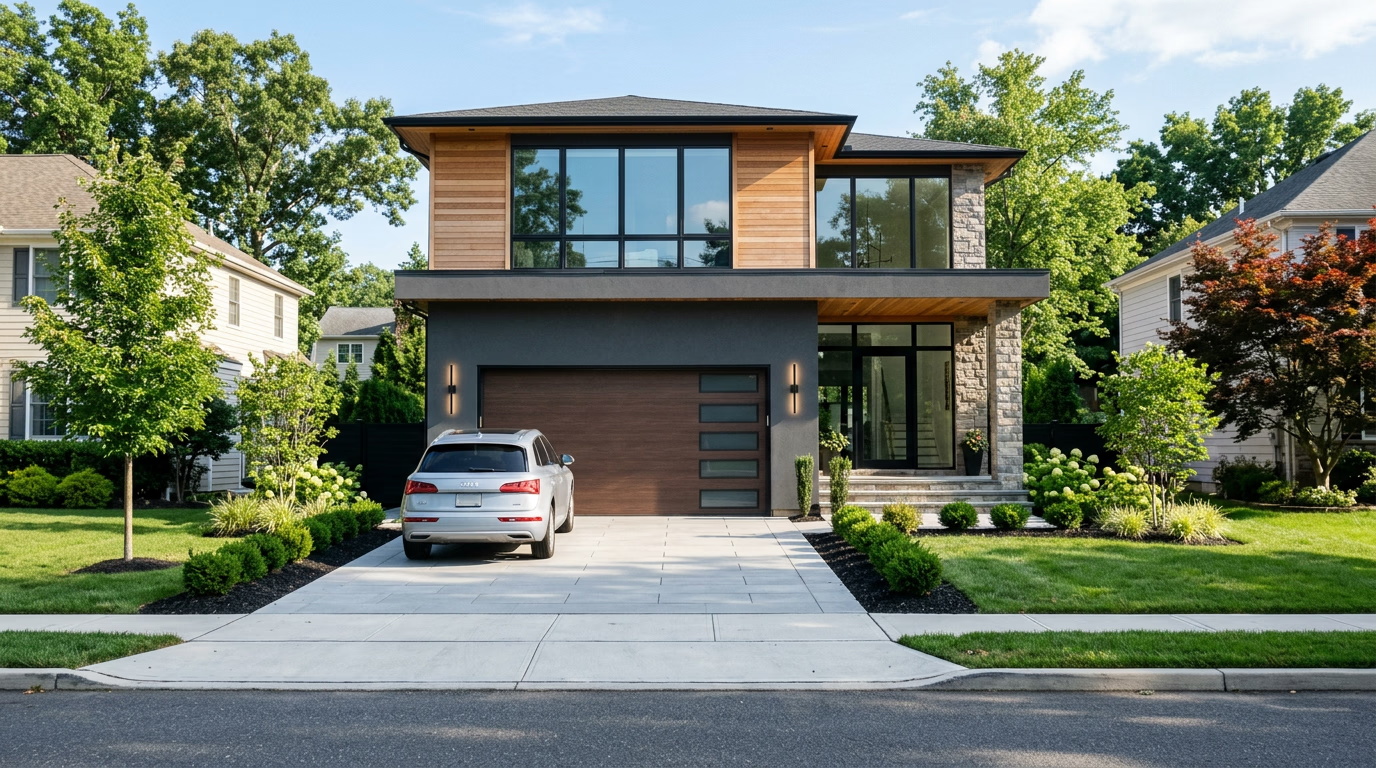
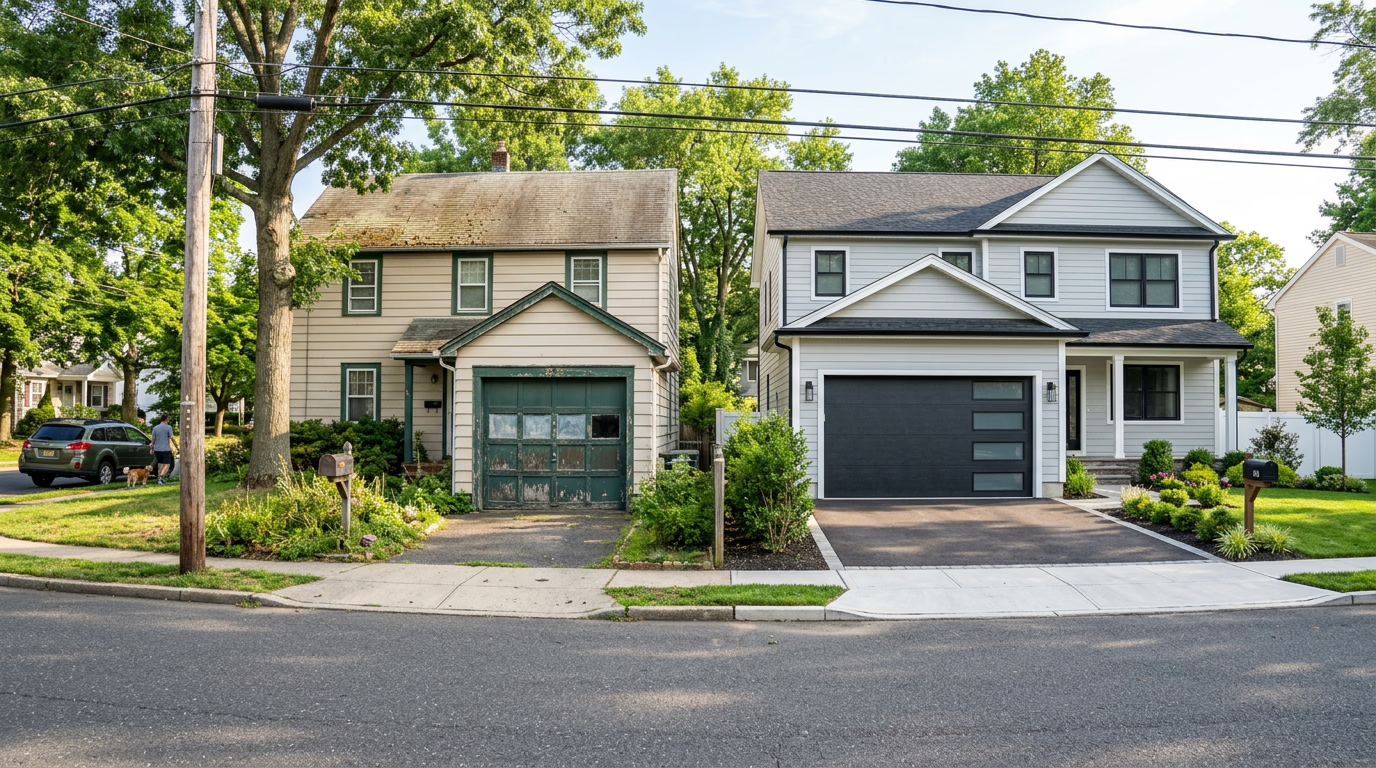
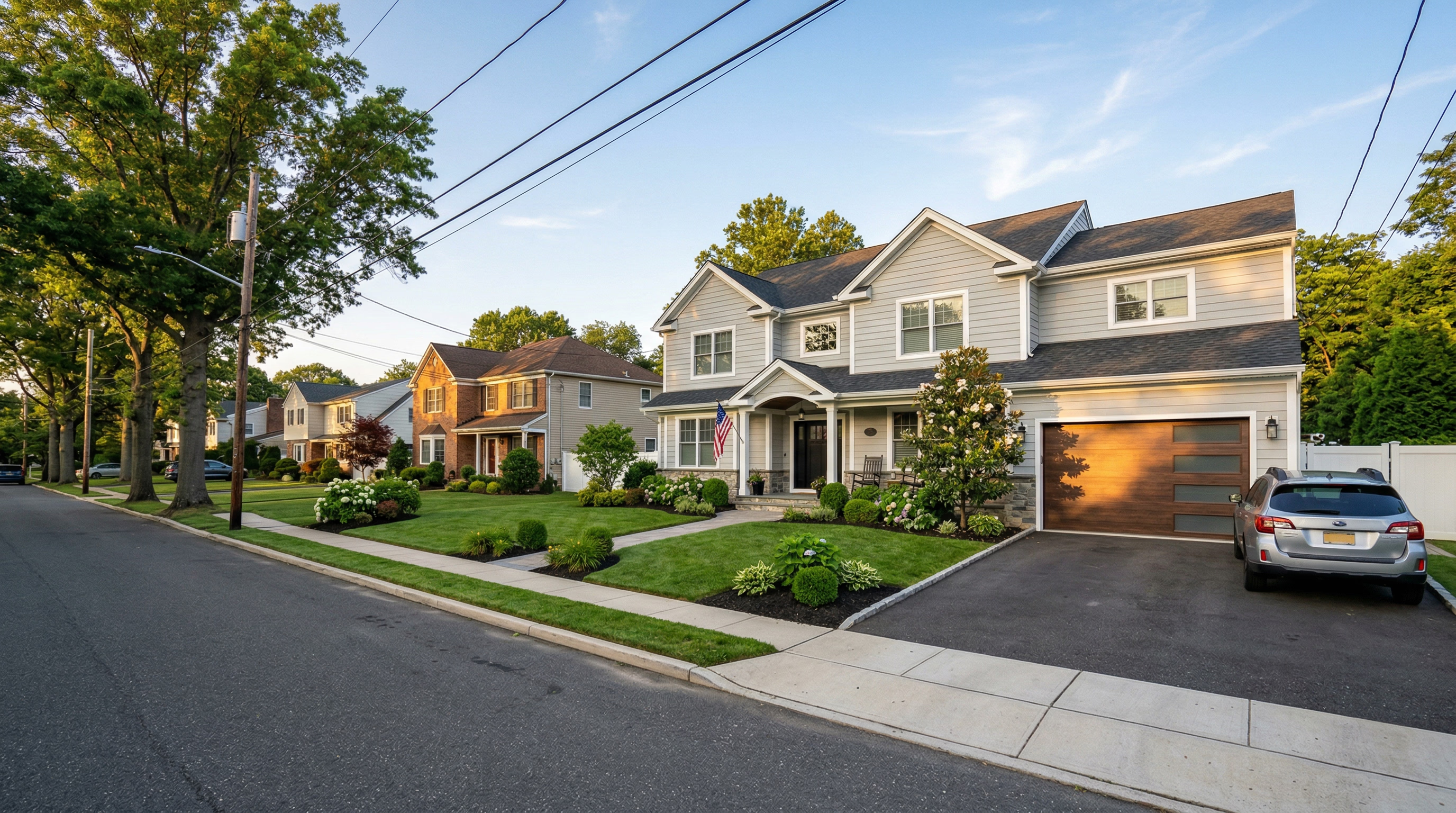
Few home improvement projects deliver the kind of immediate, visible impact that a new garage door installation provides. Your garage door accounts for up to 30 percent of your home's front-facing exterior, which means it plays an outsized role in defining your curb appeal, your first impression on visitors and neighbors, and even your property's resale value. According to Remodeling Magazine's annual Cost vs. Value report, a garage door replacement consistently ranks among the top home renovation projects in terms of return on investment, often recouping 90 percent or more of the project cost at resale. But the benefits go well beyond appearance. A new garage door can dramatically improve insulation and energy efficiency, reduce noise, enhance security, and eliminate the ongoing repair headaches that come with an aging door that has reached the end of its service life.
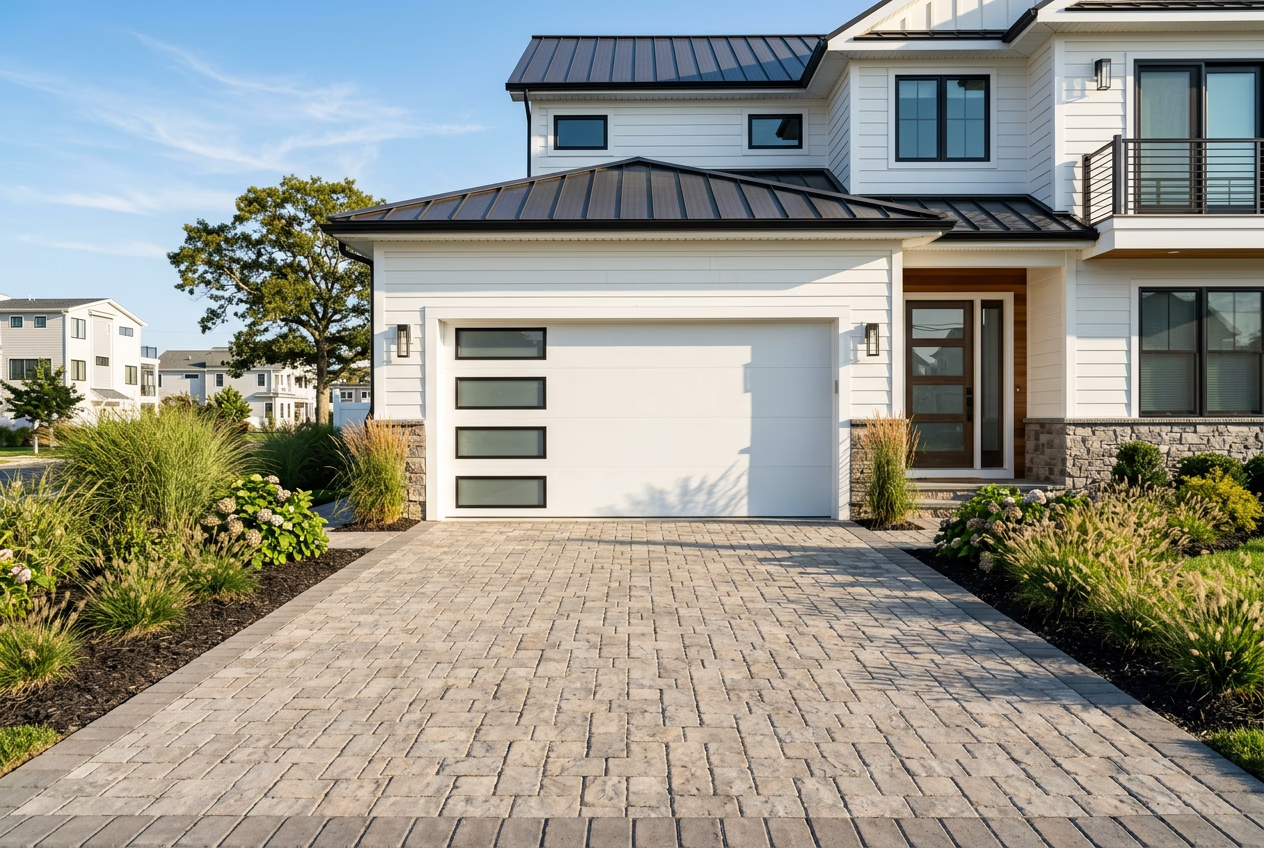
Whether your current door is showing its age with rust, dents, and fading paint, or you are building a new home and want to get the garage door decision right from the start, the installation process can feel overwhelming if you do not know what to expect. This guide walks you through the entire journey, from selecting the right door for your home and budget, to understanding exactly what happens on installation day, to navigating permits and New Jersey regulations. By the time you finish reading, you will be fully prepared to make confident decisions and enjoy a smooth installation experience.
Step 1: Choosing the Right Door
Selecting the right garage door involves more than picking a color you like from a catalog. The decision process starts with accurate measurements of your garage opening, including the width, height, headroom above the opening, and sideroom on each side of the tracks. These measurements determine which door sizes and configurations will fit your space without requiring costly structural modifications. From there, you will need to choose a style that complements your home's architecture, whether that is a traditional raised-panel design, a contemporary flush panel, a carriage-house style with decorative hardware, or a modern full-view aluminum and glass door. Material selection is equally important. Steel doors are the most popular choice for their durability, low maintenance, and affordability. Wood doors offer unmatched natural beauty but require significantly more upkeep. Aluminum and glass doors provide a sleek modern look and allow natural light into the garage, while fiberglass and composite doors resist moisture and denting.
Before placing your order, work through each of these key decisions:
- Verify your opening dimensions — Measure the width and height of the opening, the headroom from the top of the opening to the ceiling, and the sideroom on each side. Share these with your installer to confirm fitment.
- Choose a style that matches your home — Traditional raised-panel doors suit colonial and ranch homes; carriage-house doors complement craftsman and farmhouse styles; flush and full-view doors are ideal for modern and contemporary architecture.
- Select your material — Steel is the most versatile and cost-effective; wood provides a premium natural look; aluminum and glass maximize light; composite and fiberglass offer superior moisture resistance for coastal homes.
- Decide on insulation R-value — For New Jersey's climate with hot summers and cold winters, an insulated door with an R-value of 12 or higher is recommended for attached garages to reduce energy loss and street noise.
- Pick your color and finish — Most steel doors are available in a wide range of factory-applied colors and woodgrain finishes that will not peel or fade for years.
- Consider window inserts — Windows add curb appeal and allow natural light into the garage; choose from clear, frosted, tinted, or decorative options depending on your privacy needs.
One of the most commonly overlooked decisions is insulation. If your garage is attached to your home, an uninsulated door acts as a massive thermal weak point, allowing heat to escape in winter and pour in during summer. For Atlantic County homes where temperatures range from the teens in January to the nineties in July, choosing a door with polyurethane insulation and an R-value of 12 to 18 can make a noticeable difference in both comfort and energy bills. Even for detached garages, a basic level of insulation helps protect stored vehicles and belongings from temperature extremes.
Step 2: What Happens on Installation Day
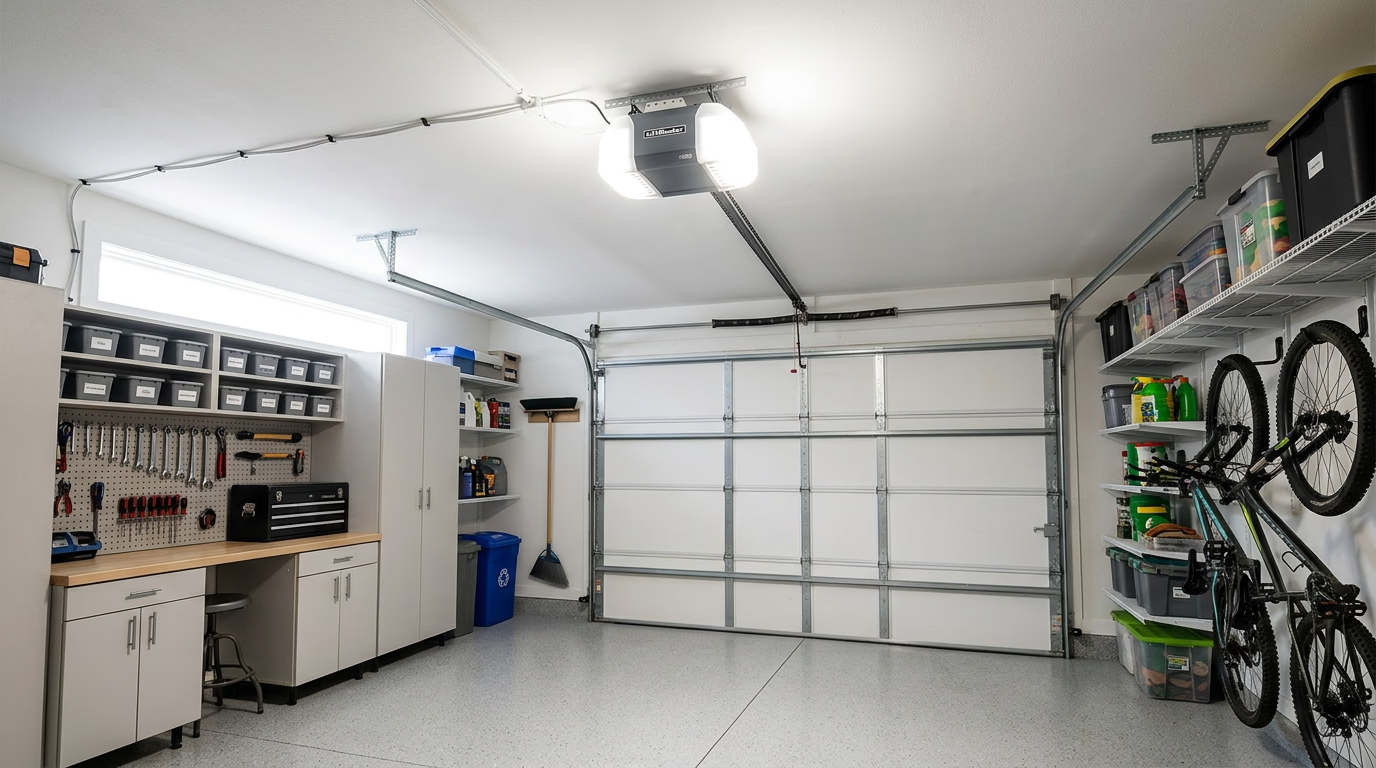
Installation day is where the planning pays off, and understanding the process in advance helps set realistic expectations for timing and disruption to your daily routine. A standard single-car garage door installation typically takes between four and six hours from start to finish, while a double-car door may take five to seven hours. The process begins with the careful removal and disposal of your existing door, tracks, and hardware. The installation team will then prepare the opening, ensuring the jambs are level and plumb before beginning assembly of the new track system. Panels are installed one at a time from the bottom up, with hinges, rollers, and struts attached to each section as it is stacked. Once all panels are in place, the technicians install the torsion spring system and cables, calibrating the spring tension to precisely counterbalance the weight of your specific door. The opener is then mounted, connected, and programmed, followed by a complete cycle test and safety inspection.
A detailed timeline of what happens during a typical garage door installation, showing each major phase, its approximate duration, and important notes for the homeowner.
Swipe to see more →
| Installation Phase | Approximate Duration | Notes |
|---|---|---|
| Old door removal and disposal | 30 – 60 minutes | The crew will disconnect the opener, release spring tension safely, and remove panels, tracks, and hardware |
| Opening preparation and measurement verification | 15 – 30 minutes | Jambs are checked for level and plumb; any necessary adjustments are made before new tracks go up |
| New track installation | 30 – 45 minutes | Vertical and horizontal tracks are mounted and aligned; flag brackets secure the track to the wall and ceiling |
| Panel assembly (bottom to top) | 60 – 90 minutes | Panels are stacked one at a time with hinges, rollers, and struts attached at each level |
| Spring and cable installation | 30 – 45 minutes | Torsion springs are wound to the precise tension required for your door's weight; this is the most safety-critical step |
| Opener mounting and programming | 30 – 60 minutes | Rail is assembled, motor unit is secured to the ceiling, travel limits and force settings are calibrated, remotes and keypad are programmed |
| Final testing and safety inspection | 15 – 30 minutes | The door is cycled multiple times, auto-reverse is tested, and the homeowner receives a walkthrough of operation and maintenance |
“This Old House emphasizes that professional garage door installation involves critical safety steps, particularly torsion spring installation, that should never be attempted by homeowners. Their installation guide notes that improperly wound springs store enough energy to cause serious injury and are the leading cause of garage door-related accidents.”
Local South Jersey Experts
Need Help With Your Garage Door?
Our local South Jersey technicians are ready to help — same-day service available. Don't wait for a small problem to become a big one.
Permits and NJ Regulations
New Jersey has specific regulations governing home improvement work, and garage door installation is no exception. Under the New Jersey Home Improvement Contractor Registration Act, any contractor performing work valued at more than a minimal threshold must be registered with the New Jersey Division of Consumer Affairs and carry a valid NJHIC registration number. This registration is your assurance that the contractor has met basic business and insurance requirements and is accountable under state law. Always verify your installer's NJHIC number before signing a contract, and be wary of any company that cannot produce one when asked. As for permits, requirements vary by municipality across Atlantic County. In many townships, a straightforward like-for-like garage door replacement does not require a building permit. However, if the installation involves changes to the opening size, structural modifications to the header or jambs, or new electrical work for an opener, a permit may be required. Your installer should know the permit requirements for your specific municipality and handle the application process as part of the project.
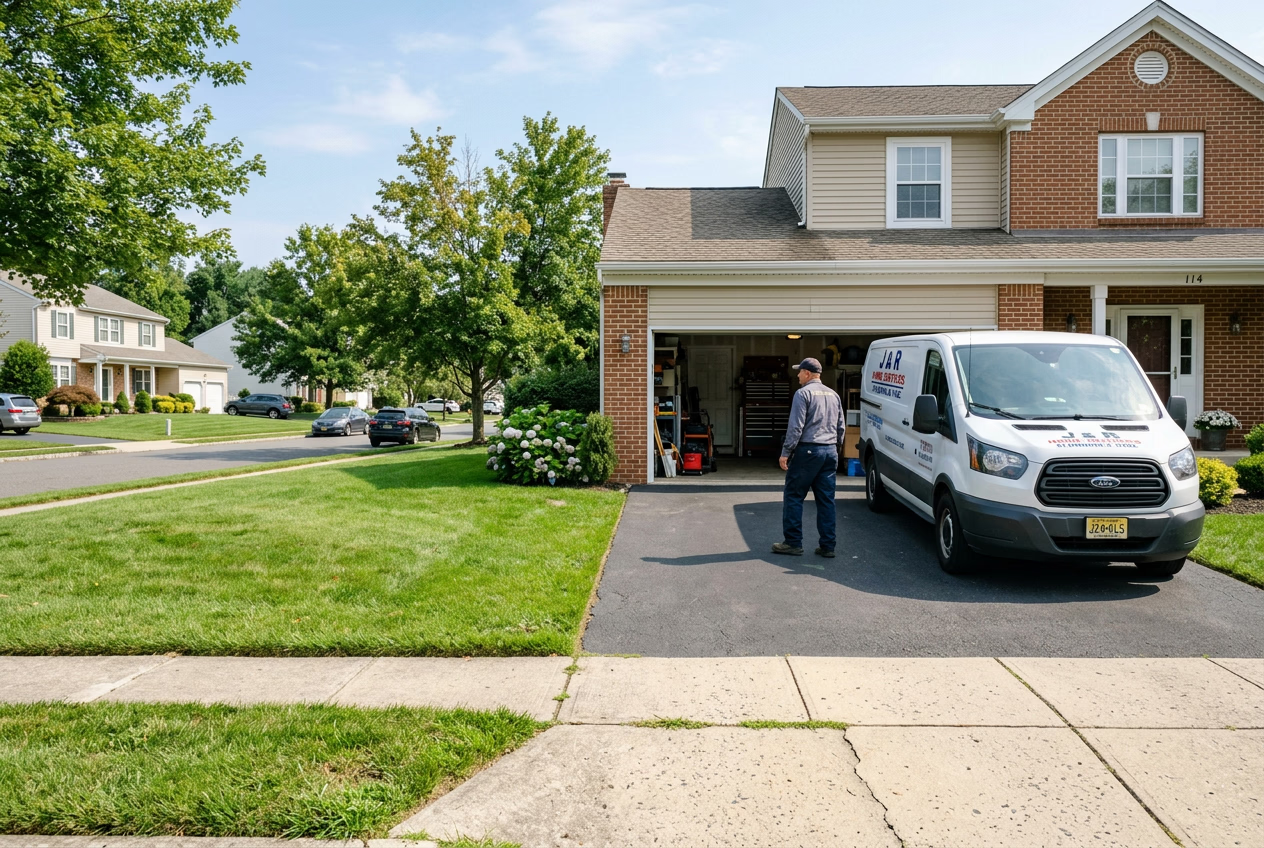
Hiring a licensed, insured, and registered contractor is not just a legal formality. It protects you financially if something goes wrong during or after the installation. A properly licensed installer carries liability insurance that covers property damage and injuries that occur on your property during the work. They also stand behind their labor with a warranty, and the manufacturer's product warranty remains valid when the door is installed by an authorized professional. Unlicensed installers may offer lower prices, but if the door is installed incorrectly, the springs fail prematurely, or the opener malfunctions, you have no recourse and may find that the manufacturer will not honor the product warranty. In the long run, working with a registered, licensed professional is always the safer and more cost-effective choice.
Schedule Your Installation with Atlantic County Garage Doors
At Atlantic County Garage Doors, we have been installing garage doors for homeowners across South Jersey for years, and we bring that experience to every project regardless of size. Our process starts with a free, no-obligation in-home estimate where we measure your opening, discuss your style and material preferences, review insulation options appropriate for the New Jersey climate, and provide a transparent, all-inclusive quote with no hidden fees. We are fully licensed, insured, and registered with the State of New Jersey, and every installation is backed by both our labor warranty and the manufacturer's product warranty. Our team installs doors from all major brands including Clopay, Amarr, CHI, and Wayne Dalton, giving you access to the widest selection of styles, materials, and price points.
A new garage door is one of the best investments you can make in your home, and it all starts with a single phone call. Contact Atlantic County Garage Doors today at 609-663-9260 to schedule your free estimate and take the first step toward transforming the look, comfort, and security of your home. We proudly serve Atlantic County, Cape May County, Ocean County, and all surrounding communities including Egg Harbor Township, Galloway, Hammonton, Margate, Ventnor, Brigantine, Somers Point, and beyond.