Troubleshooting Common Garage Door Problems: A Step-by-Step Guide
Introduction: Don't Panic When Your Garage Door Acts Up
It always seems to happen at the worst possible moment: you are running late for work, pulling into the driveway with a car full of groceries, or heading out for a weekend trip — and your garage door refuses to cooperate. Maybe it will not open at all. Maybe it opens halfway and stops. Maybe it is making a noise that sounds like it belongs in a horror movie. Before you assume the worst and start pricing out a complete replacement, take a breath. The reality is that many common garage door problems have simple, straightforward causes that you can diagnose and sometimes fix yourself without any specialized tools or experience.
In this guide, we will walk through the most common garage door problems that Atlantic County homeowners encounter, explain the likely causes behind each issue, and provide clear step-by-step instructions for safe troubleshooting. We will also help you understand the critical distinction between problems you can safely address on your own and those that absolutely require a trained professional. Attempting repairs on high-tension components like springs and cables without proper training and tools can result in serious injury, so knowing where to draw the line is just as important as knowing how to fix a dead remote battery.
Problem: Your Garage Door Won't Open or Close
A garage door that completely refuses to open or close is the most common complaint homeowners report, and it is also the issue with the widest range of possible causes. The good news is that the most frequent culprits are minor and inexpensive to resolve. Before you call for service, work through the following troubleshooting steps in order. Each step eliminates a common cause, and in many cases, you will find the solution before you reach the end of the list.
Step-by-step troubleshooting when your garage door will not respond:
- Step 1 — Check the Remote Batteries: This is the single most common cause of a non-responsive garage door. Replace the batteries in your remote with fresh ones and try again. If you have a second remote, test that one as well to narrow down whether the issue is the remote or the opener.
- Step 2 — Test the Wall-Mounted Button: Press the hardwired wall button inside your garage. If the door responds to the wall button but not the remote, the problem is isolated to the remote — either dead batteries, a damaged remote, or a need to reprogram it to the opener.
- Step 3 — Verify Power to the Opener: Check that the garage door opener is plugged in and that the outlet has power. Test the outlet with another device like a phone charger. Check your home's circuit breaker panel for any tripped breakers.
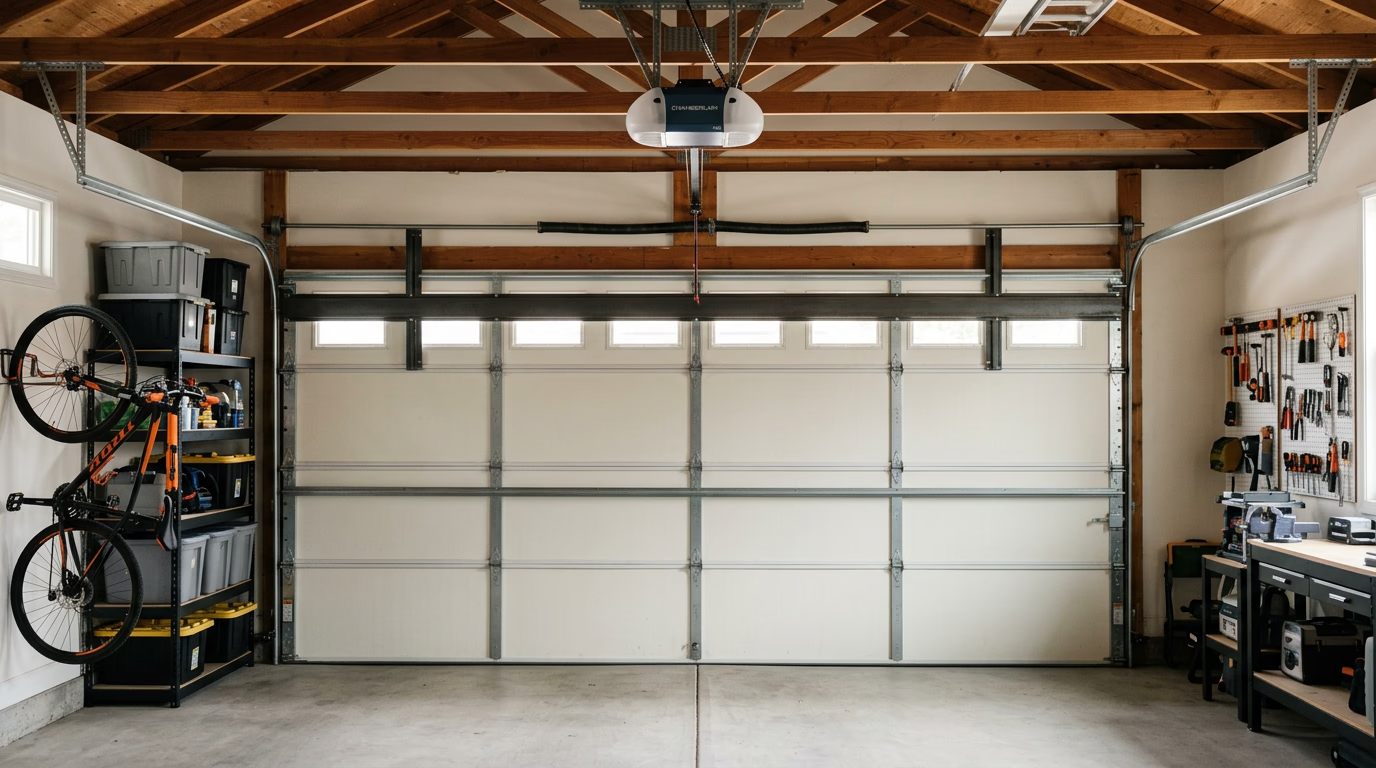
- Step 4 — Inspect the Photo-Eye Sensors: Look at the small sensors mounted at the bottom of each door track. Each sensor should have a steady light (typically green). If one is blinking, the sensors are misaligned. Gently adjust the blinking sensor until the light becomes steady. Also clean the lenses with a soft cloth, as dirt and cobwebs can block the beam.
- Step 5 — Look for Track Obstructions: Visually inspect the tracks on both sides of the door for debris, dirt buildup, or objects that may be blocking the door's path. Remove any obstructions and wipe down the tracks with a clean cloth.
- Step 6 — Check the Lock Mode: Some garage door openers have a lock or vacation mode that disables the remote. Check your opener's control panel or consult the owner's manual to ensure lock mode is not engaged.
- Step 7 — Inspect the Disconnect Switch: Verify that the emergency release cord (the red handle hanging from the opener track) has not been pulled. If it has, the door is disconnected from the opener. Re-engage it by pulling the cord toward the opener or manually moving the door until the carriage reconnects.
If you have worked through all seven steps and your garage door still will not respond, the issue likely involves the opener's internal components, the main circuit board, or a mechanical failure in the door system itself. At this point, it is time to call a professional. Atlantic County Garage Doors can diagnose and repair opener malfunctions quickly, often completing the repair in a single visit.
Problem: Unusual Noises During Operation
A garage door that suddenly starts making unfamiliar noises is telling you something. While some operational noise is normal — particularly with chain-drive openers — new or worsening sounds are almost always a sign that a specific component needs attention. The key to effective troubleshooting is learning to identify what type of noise you are hearing and matching it to the most likely cause. Below is a guide to the most common garage door noises, what they typically indicate, and what you can do about them.
A diagnostic reference table matching specific garage door noise types to their most likely mechanical causes and the appropriate corrective action.
Swipe to see more →
| Noise Type | Likely Cause | Recommended Fix |
|---|---|---|
| Grinding or scraping | Worn, damaged, or misaligned rollers rubbing against the track | Inspect rollers for wear. Replace nylon rollers if cracked or metal rollers if visibly worn. If tracks are bent, call a professional. |
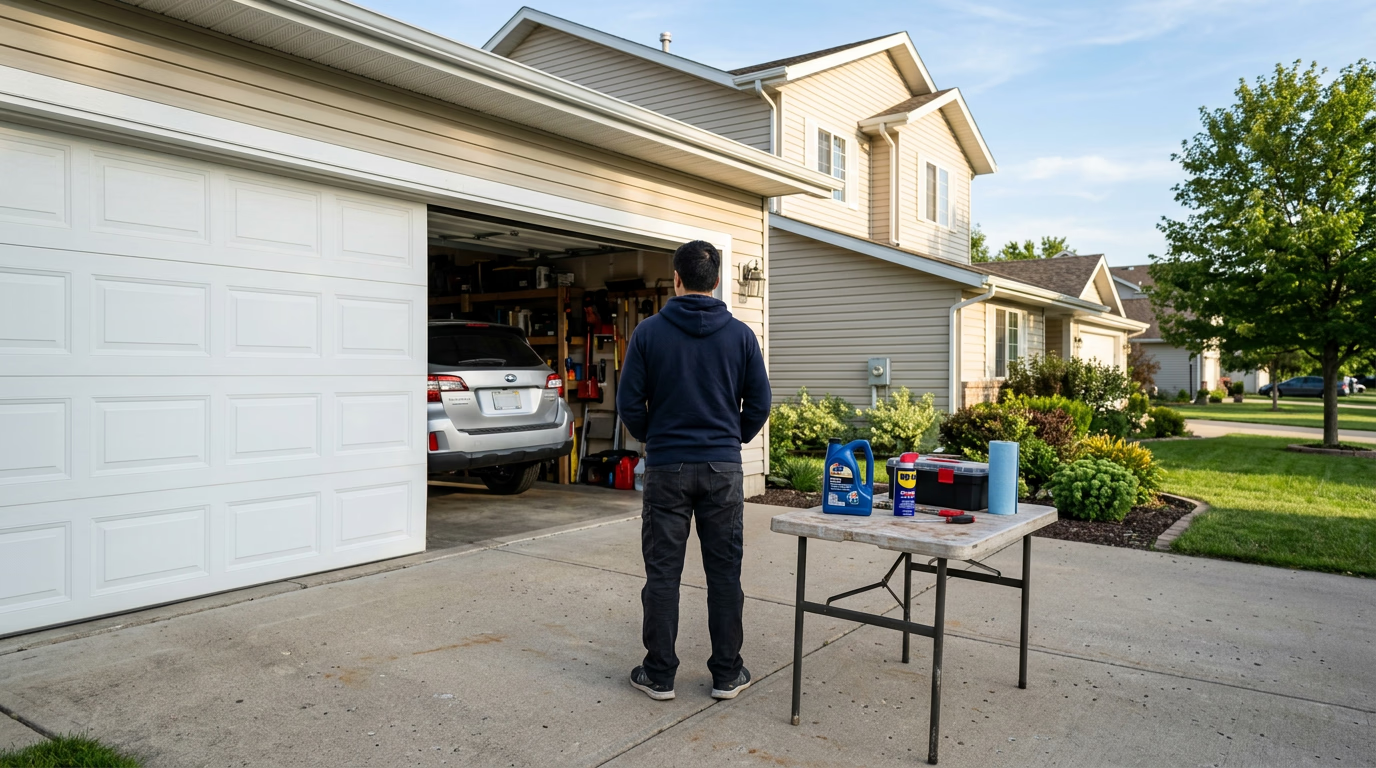
| Squeaking or squealing | Lack of lubrication on hinges, rollers, or springs | Apply a silicone-based or lithium-based garage door lubricant to all moving parts including hinges, rollers, springs, and bearing plates. Avoid WD-40, which is a solvent, not a lubricant. |
| Loud popping or banging | Torsion spring tension issues or a spring nearing the end of its lifespan | Do not attempt to adjust springs yourself. A loud pop during operation may indicate a spring has broken. Stop using the door and call a professional immediately. |
| Rattling or vibrating | Loose nuts, bolts, hinges, or brackets on the door or track system | Use a socket wrench to tighten all visible hardware including track brackets, hinge bolts, and roller brackets. Check the opener mounting bracket as well. |
| Slapping or clicking | A worn or loose chain or belt on the opener | Inspect the opener's drive chain or belt for slack. Consult your opener's manual for the correct tension adjustment procedure, or call a technician. |
| High-pitched whining | Motor or gear issue within the opener unit | This typically indicates internal opener wear. Turn off the opener and call a professional for motor or gear replacement. |
“Family Handyman recommends performing regular garage door maintenance including lubrication and hardware tightening to prevent common noise issues. Their experts note that most garage door noises can be eliminated with routine care, but caution homeowners to avoid any work involving springs, cables, or bottom brackets, which should always be handled by a qualified technician.”
Local South Jersey Experts
Need Help With Your Garage Door?
Our local South Jersey technicians are ready to help — same-day service available. Don't wait for a small problem to become a big one.
Problem: The Door Reverses Before Closing
Few things are more frustrating than a garage door that starts closing normally, only to reverse direction and open back up before it reaches the ground. You press the button again, and the same thing happens: down, pause, back up. This issue is especially common among Atlantic County homeowners and is almost always related to the photo-eye safety sensors located at the bottom of the door tracks. These sensors are a critical safety feature — they project an invisible infrared beam across the door opening, and if anything breaks that beam while the door is closing, the system reverses the door to prevent entrapment. When the sensors malfunction, the opener interprets the fault as an obstruction and refuses to close the door.
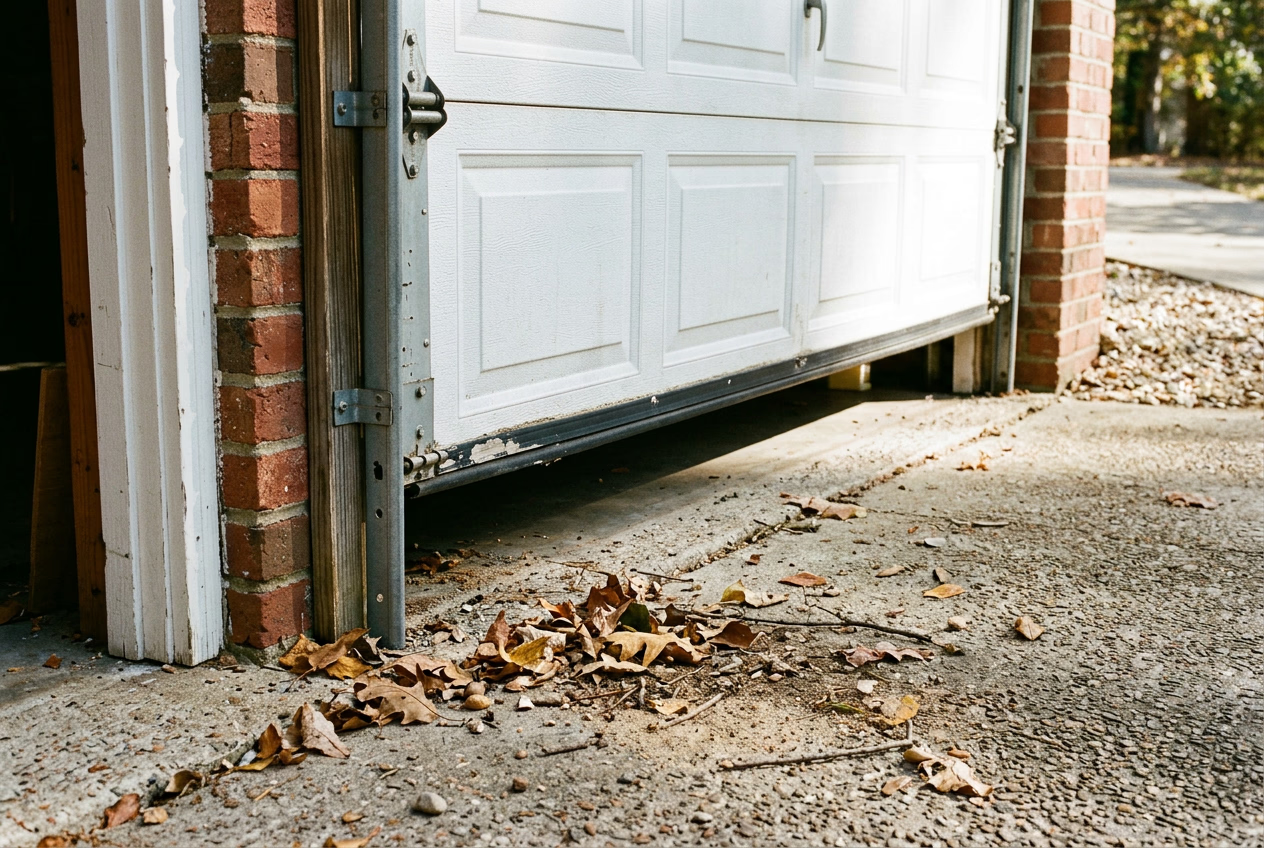
To troubleshoot this problem, start by examining both sensors. Each one should have a small LED indicator light. If one light is off or blinking, that sensor has lost alignment. Gently adjust the sensor by loosening its mounting bracket, realigning it until the LED becomes steady, and then retightening the bracket. Next, clean both sensor lenses with a soft, dry cloth — dust, cobwebs, and even moisture from South Jersey's humid climate can interfere with the infrared beam. If the sensors appear aligned and clean but the door still reverses, check the wiring between the sensors and the opener for damage, loose connections, or corrosion. In some cases, direct sunlight can also interfere with the sensors, so consider whether the issue only occurs at certain times of day. If none of these steps resolve the problem, the sensors themselves may need to be replaced, or the opener's logic board may be faulty — both situations that warrant a call to Atlantic County Garage Doors for professional diagnosis.
When DIY Isn't Enough: Calling Atlantic County Garage Doors
Knowing how to troubleshoot common garage door problems is a valuable skill that can save you time, money, and frustration. Replacing remote batteries, cleaning sensor lenses, lubricating moving parts, and tightening loose hardware are all safe, straightforward tasks that any homeowner can handle. However, it is equally important to know when a problem has crossed the line from a simple fix into territory that requires professional training and equipment. There are certain garage door components that should never be serviced by anyone other than a qualified technician, and attempting to work on them yourself puts you at serious risk of injury.
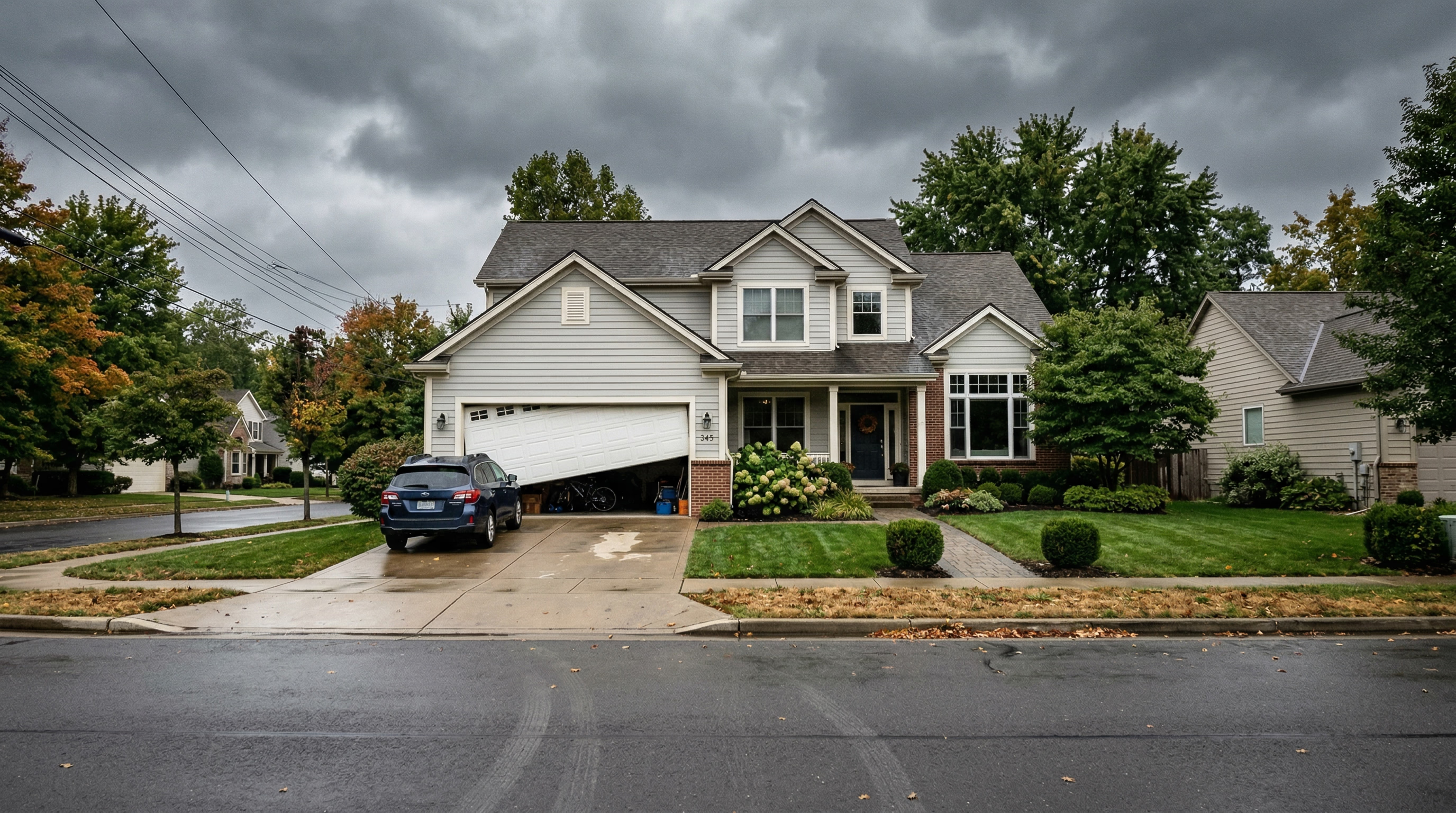
Specifically, you should always call a professional for the following situations: broken or damaged torsion or extension springs, frayed or snapped lifting cables, a door that has come off its tracks, visible bending or warping of the track system, structural damage to the door panels, opener motor or circuit board failures, and any situation where the door is falling rapidly or behaving unpredictably. These issues involve high-tension components and heavy loads that can cause catastrophic injuries if mishandled. Atlantic County Garage Doors has been serving homeowners throughout South Jersey with expert, reliable garage door repair and installation. Our technicians arrive fully equipped, diagnose the issue accurately, and complete repairs efficiently — often in a single visit. If your garage door problem is beyond the scope of safe DIY troubleshooting, do not take chances. Call Atlantic County Garage Doors at 609-663-9260 to get your door working safely and smoothly again.